As promised, I want to walk you through how I’ve been scoring great deals on flights. It’s not rocket science — and while there may be cheaper options out there, sometimes the effort to save an extra few pounds just isn’t worth the hassle.
The main tool I use is Google Flights. When used right, it’s powerful: you can track pricing patterns, monitor fare changes over time, and filter by important features like baggage allowance or preferred airlines. It’s become my go-to.
I’m still relatively new to the game, but I recently used it to book a flight from Cyprus to England for just £45, cabin bag included. I tracked the prices for a couple of weeks and noticed they dropped every Wednesday, about four days before departure, but only if the flight still had plenty of empty seats. Fortunately, I had the flexibility to wait and take that risk. If you don’t, I’d strongly recommend booking further in advance — or budgeting extra in case prices go up instead.
Important Baggage Tips for Travelers
Before you get too excited about a low fare, make sure to consider how you travel. Are you fine with just a small backpack? Do you need a proper carry-on? Or a full checked bag? This really matters — because booking a super cheap flight and then paying triple the fare for baggage add-ons can totally defeat the purpose. In some cases, a slightly more expensive flight with bags included is the better deal.
To help with that, I’ve broken down which airlines are best for different types of travellers (scroll down for that).
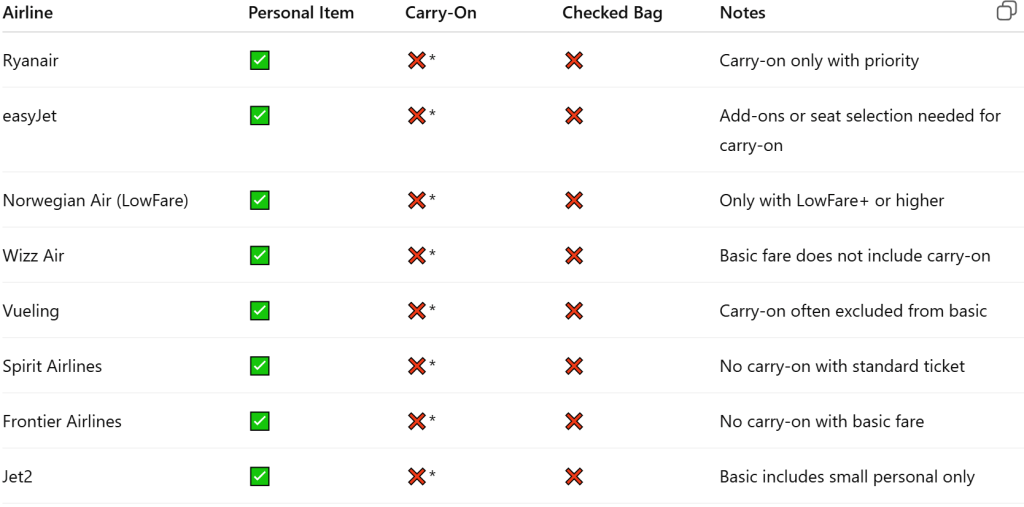
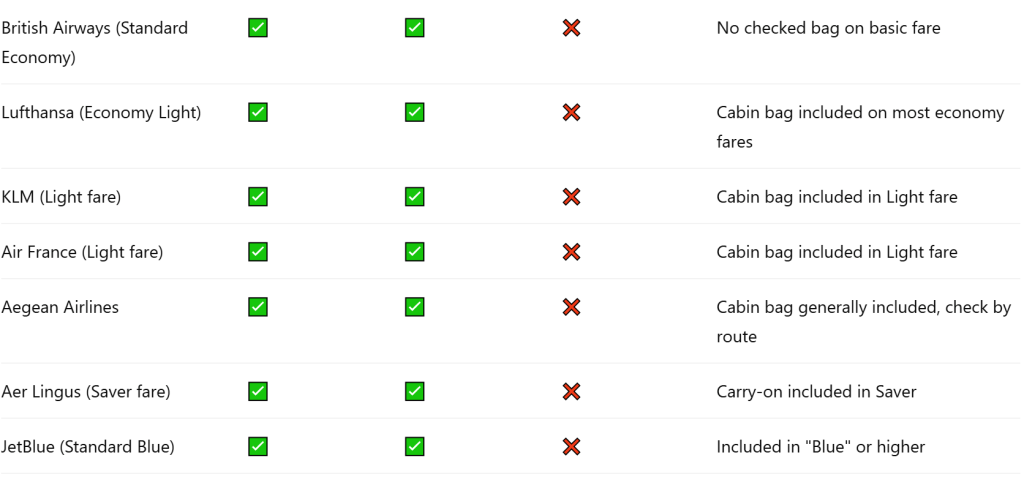
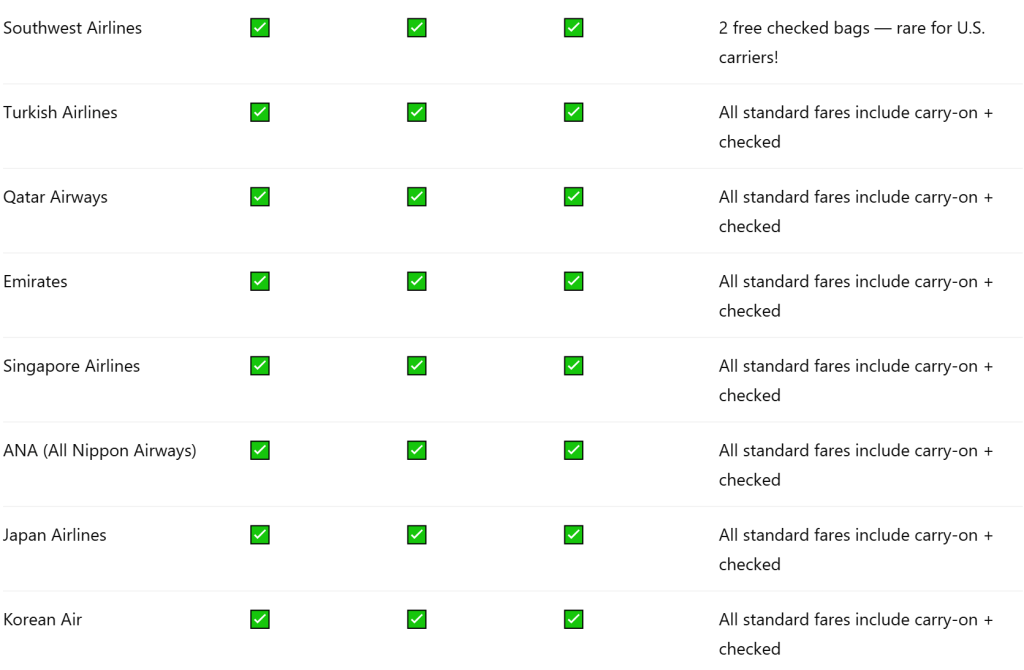
Changes Coming to the EU
Also, something to keep an eye on: the EU has recently voted to ban extra charges for carry-on luggage. This proposal still needs approval from 55% of member states, but if passed (negotiations begin in July 2025), it will apply to all flights within, to, and from the EU. This could dramatically change how we travel in Europe — so stay updated on this if you’re planning EU flights.
Google Flights: How to Use It Smartly
If you haven’t used it before, Google Flights is super intuitive, even on mobile. In the first screenshot (see below), you’ll see a basic search screen. You can enter specific airports or even select “Anywhere” as a destination if you’re browsing for inspiration. I usually search using one-way tickets — it gives a clearer picture of price fluctuations.
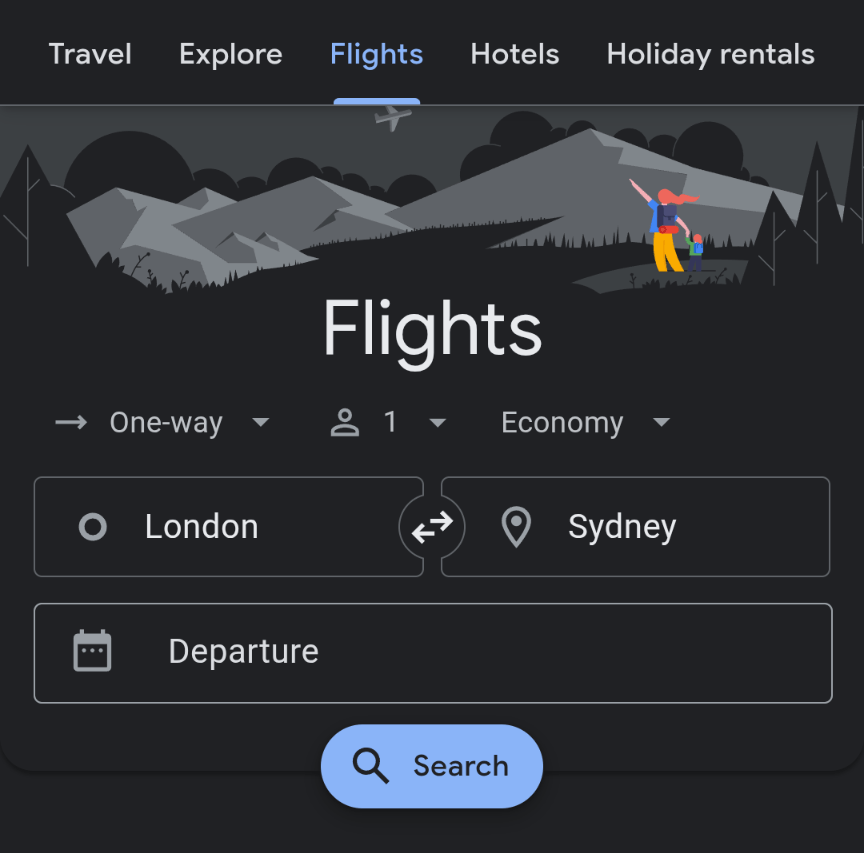
Once your route is entered, click on the departure date and it will pull up a calendar showing prices across the whole month. This is where the magic happens.
Google Flights lists all airlines, including budget carriers, layovers, and doesn’t automatically filter by baggage — which is something you need to do manually. You’ll notice that prices vary dramatically depending on the day and season. Contrary to popular belief, flights don’t always get cheaper the earlier you book. During off-season, for example, prices often drop closer to departure. Green-highlighted prices indicate a great deal — grab these if you can, they usually won’t last long.

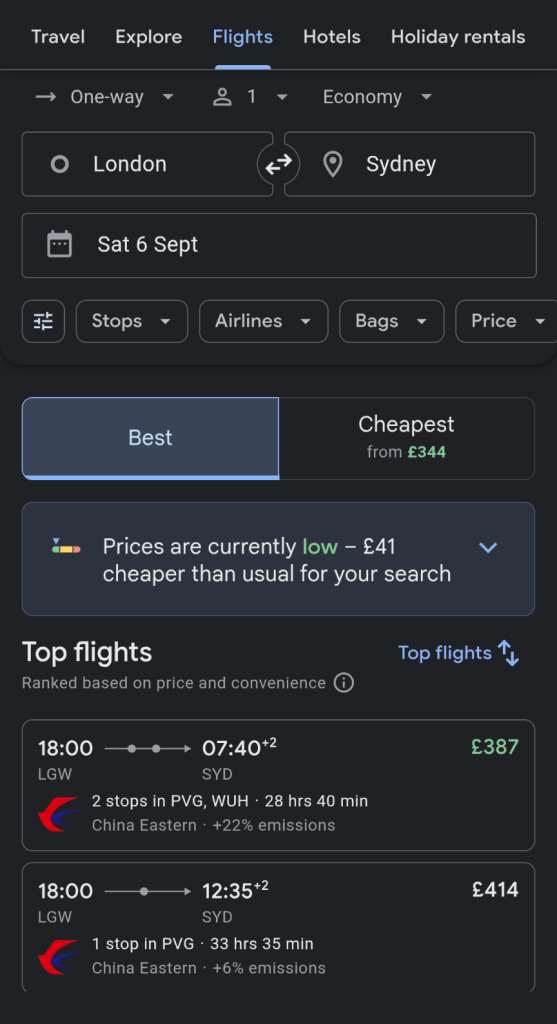
After choosing your dates, you can refine your search by:
- Number of stops
- Baggage allowance
- Preferred airlines
- Maximum price
These filters then apply to the entire date calendar, making it easy to scan for options that meet your needs.
As you can see in the final image, if you scroll down after selecting a specific date, you’ll have the option to track prices — either for that particular date or for general price changes on that route.
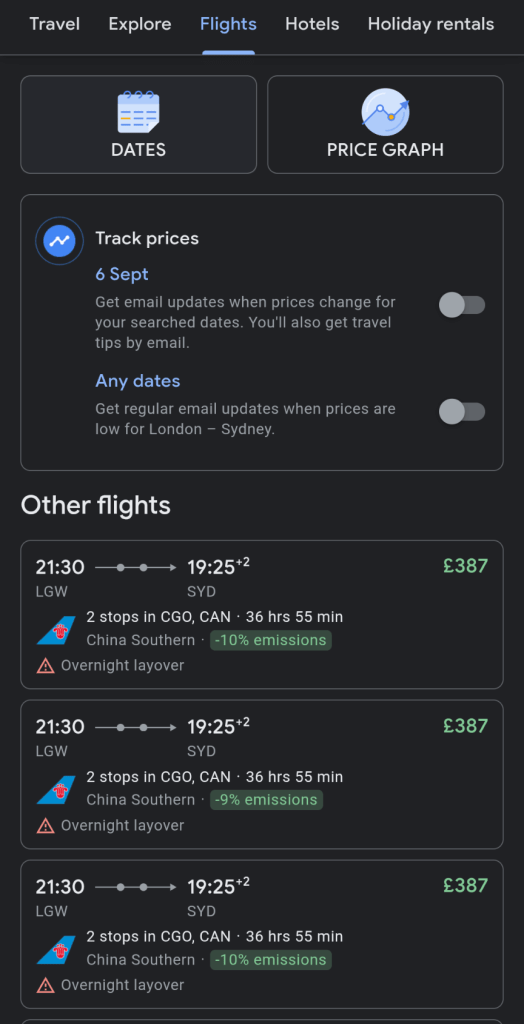
This feature is most useful when you’re planning well in advance. In my experience, it’s not particularly helpful just a month or two out, as prices tend to climb the closer you get. And if you’re booking last minute, daily checks are a better strategy anyway.
In my case, I snagged that £45 Cyprus-to-London ticket just one week before departure. I’d been watching the prices daily for two weeks. It ended up being a week later than I originally wanted, but that’s the trade-off for booking last-minute — sometimes it works out, sometimes it doesn’t.
Let me know if you liked this and would like more travel tips and content 🙂
 Nomadic Notes